
Industrial Metal Recycling: HSS and Carbide Scrap
With correct segregation and analysis, HSS and carbide scrap are strategic recycling resources that retain their industrial value.
Published: Move Metal
At Move Metal we prepare technical content not only to present products, but to help purchasing and production teams make better decisions. Material selection is an engineering decision in which standard, chemical composition, mechanical properties, supply form and downstream processes are read together.
Scrap is technical data too
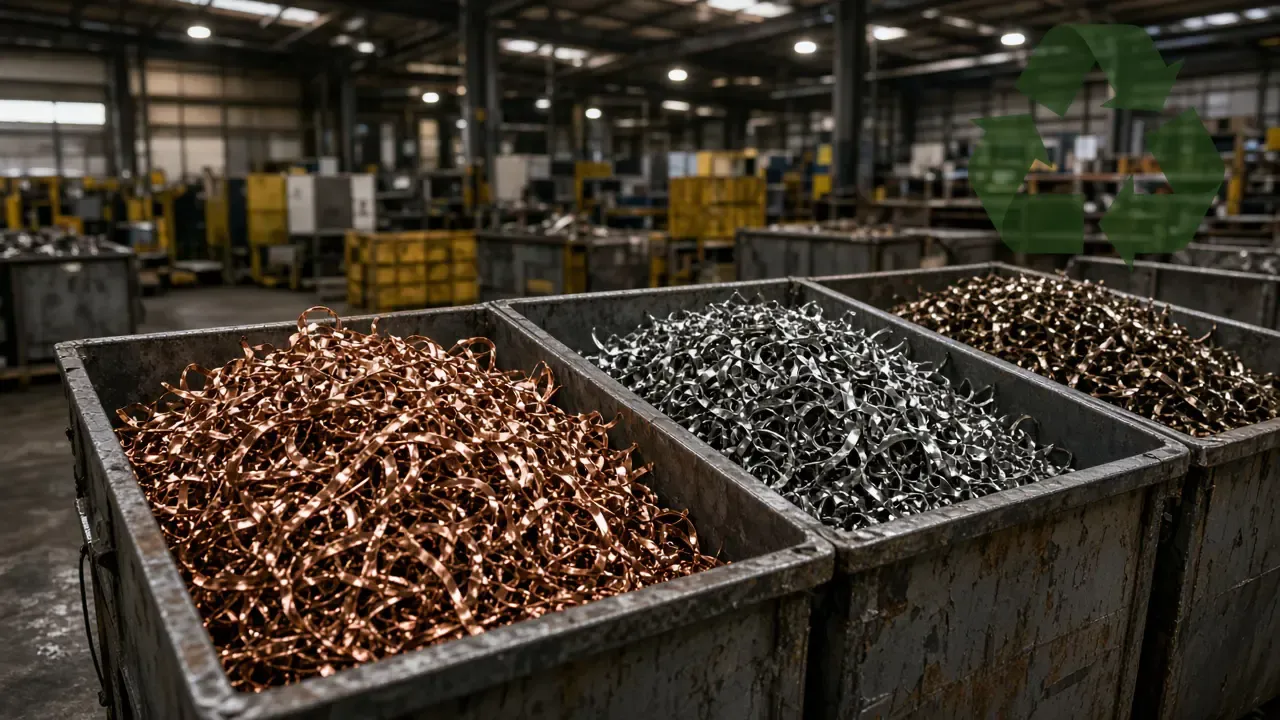
When cutting tools, dies and production residues are classified correctly, they become not merely waste but a recoverable high-alloy resource. In HSS and carbide scrap, the alloy content determines the economic value.
Segregation and analysis
Mixing carbide, HSS, stainless and ordinary steel scrap leads to loss of value. Segregation on site, labelling, weighing and, where necessary, analysis must therefore be carried out transparently.
Key evaluation topics
- HSS drill, milling cutter and saw scrap
- Carbide insert and tool residues
- Production scrap and obsolete stock
- Traceable weighing and reporting
A sustainable contribution
Correct recycling both recovers cost and supports the more efficient use of industrial resources.
Before you proceed
For the right decision, share the sample, drawing, operating temperature, target hardness, expected quantity and any certification requirement together. This information reduces unnecessary cost while increasing part life and process safety.
The Move Metal perspective
For us, good supply means delivering the right grade, at the right time, in the right form and with traceable information. The customer receives not only material, but technical assurance that supports the production decision.