
The P20 Family in Plastic Mold Steels: 1.2311, 1.2312 and 1.2738
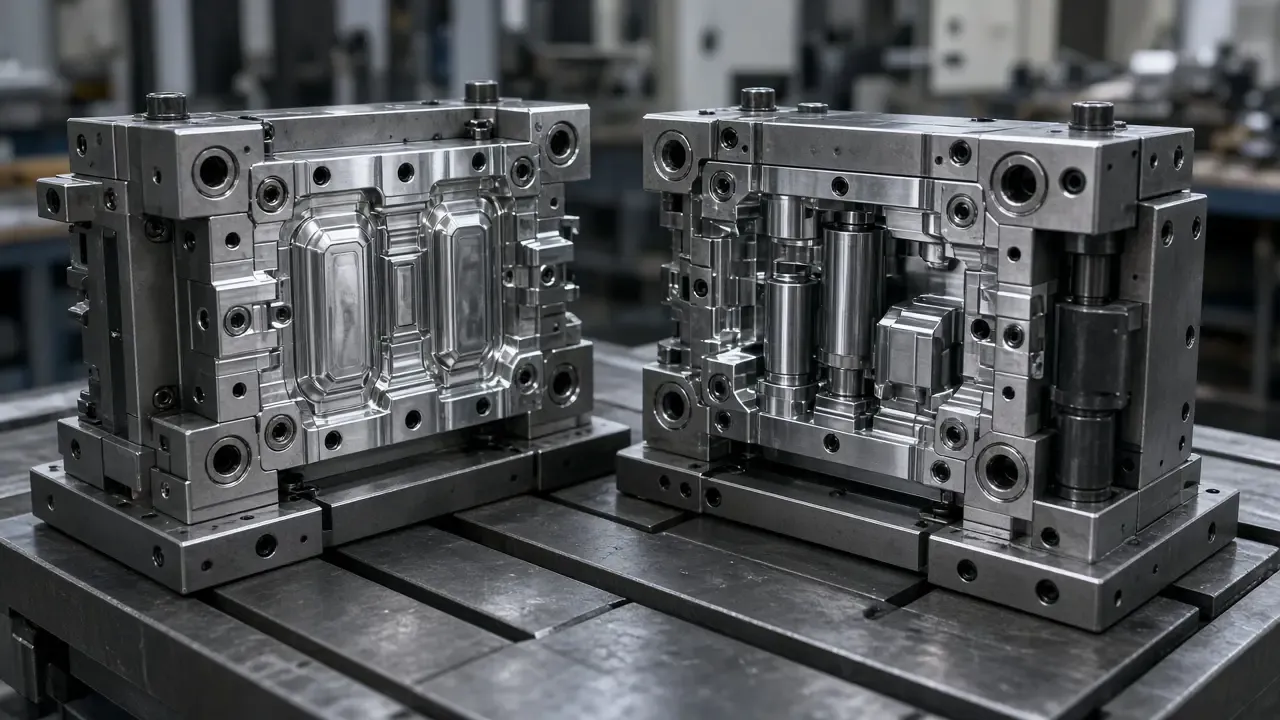
P20-family plastic mold steels offer different advantages according to polishability, machinability and mold size expectations.
Published: Move Metal
At Move Metal we prepare technical content not only to present products, but to help purchasing and production teams make better decisions. Material selection is an engineering decision in which standard, chemical composition, mechanical properties, supply form and downstream processes are read together.
The role of the P20 family
In plastic injection molds the material must support machinability, dimensional stability, surface quality and long mold life at the same time. The P20 family is therefore a common starting point.
Grade differences
1.2311 is a balanced and common solution. 1.2312 provides better machinability thanks to its sulphur addition, but needs care on surfaces with high polish expectations. 1.2738 offers the advantage of hardness distribution and homogeneity in large sections.
Key evaluation topics
- Plastic injection molds
- Large-volume mold bodies
- Textured or polished surfaces
- Series production mold plates
Thinking together with design
The runner system, cooling channels, polishing expectation and part quantity should not be treated separately from material selection.
Before you proceed
For the right decision, share the sample, drawing, operating temperature, target hardness, expected quantity and any certification requirement together. This information reduces unnecessary cost while increasing part life and process safety.
The Move Metal perspective
For us, good supply means delivering the right grade, at the right time, in the right form and with traceable information. The customer receives not only material, but technical assurance that supports the production decision.