
Balancing Wear and Toughness When Selecting Cold Work Tool Steel
The most critical decision in cold work steel is striking the right balance between cutting-edge wear and toughness against fracture.
Published: Move Metal
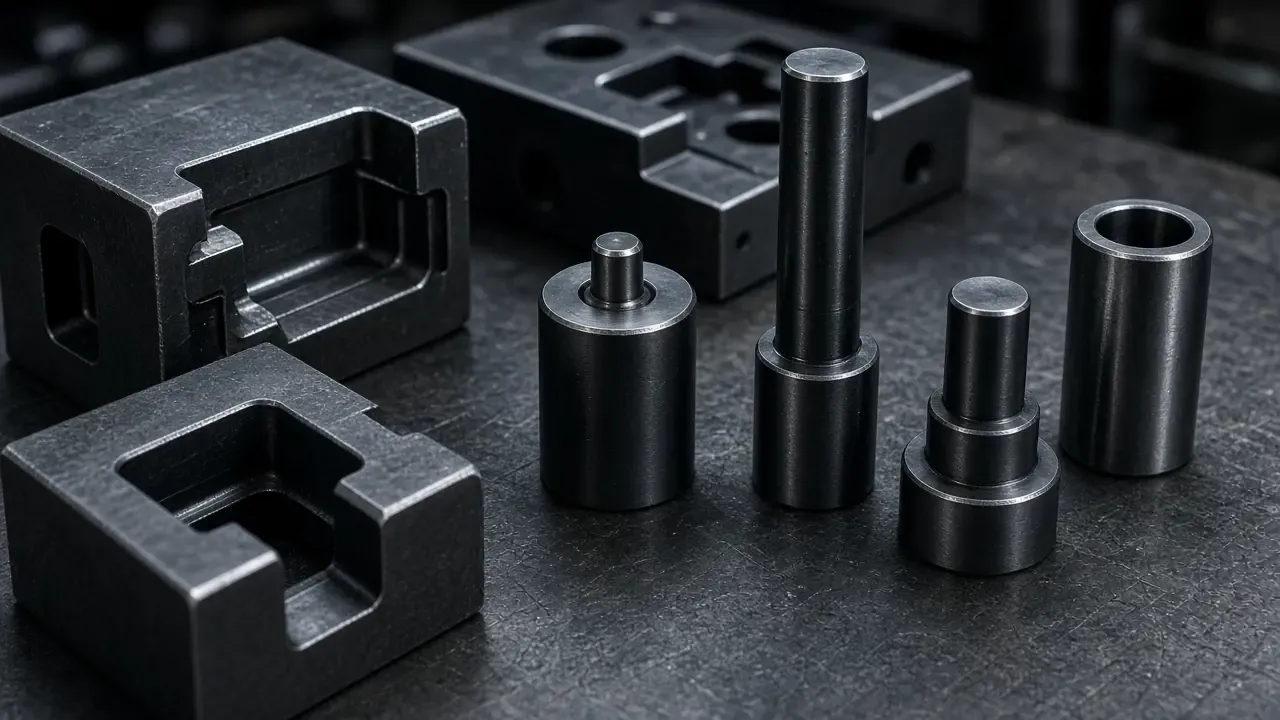
At Move Metal we prepare technical content not only to present products, but to help purchasing and production teams make better decisions. Material selection is an engineering decision in which standard, chemical composition, mechanical properties, supply form and downstream processes are read together.
Why does the balance matter?
In cutting, punching, bending and forming applications, high hardness does not always mean the best result. Very high wear resistance can increase brittleness in some geometries and lead to unplanned downtime.
Selection by application
Edge retention comes first in thin sheet cutting, while toughness becomes more decisive in impact operations. Part thickness, clearance setting, cutting speed and how the die is supported are a natural part of the material decision.
Key evaluation topics
- Blanking and punching dies
- Bending tools
- Forming inserts
- Abrasive sheet and strip operations
The effect of heat treatment
The same grade can behave differently with different heat-treatment routes. By considering the target hardness and use scenario together, Move Metal recommends a selection that increases die life.
Before you proceed
For the right decision, share the sample, drawing, operating temperature, target hardness, expected quantity and any certification requirement together. This information reduces unnecessary cost while increasing part life and process safety.
The Move Metal perspective
For us, good supply means delivering the right grade, at the right time, in the right form and with traceable information. The customer receives not only material, but technical assurance that supports the production decision.